
ikon is a founder-led luxury branding agency based in London, and increasingly the brand behind the brands that define a destination. Hotels, resorts, travel brands, and hospitality groups don't just need a logo that looks expensive.
They need a brand strategy that survives translation across cultures, seasons, and every guest touchpoint from the welcome email to the menu on the table. That is the work of a luxury destination branding agency, and it is different, in scope and in stakes, from the work of a general marketing agency.
The result is a brand that holds its position in every market it travels to, and gets chosen before a guest ever arrives. Click here to book your free brand discovery call.
A luxury destination branding agency earns its place by doing a specific, disciplined set of work, not by promising to be everything to everyone.
Every ikon engagement starts with brand strategy: understanding what the destination brand's true competitive advantage is, who it actually serves, and what story will still be true in five years. This is the foundation that brand identity, campaign creative, and every other output is built on. Skip this step, and even beautiful creative work has nothing to stand on.
For hospitality brands and travel brands, brand identity has to work across an unusually wide range of contexts, from a hotel key card to a full-page feature in a travel publication. ikon builds identity systems designed for that range from the outset, so the brand feels coherent whether a guest encounters it on a website or on a menu. See examples of brand identities ikon has developed.
.jpg)
Destination brands need creative direction and campaign creative that can carry a single idea across very different moments, a seasonal campaign, a new property launch, a partnership announcement. This is where brand storytelling becomes tangible rather than aspirational.
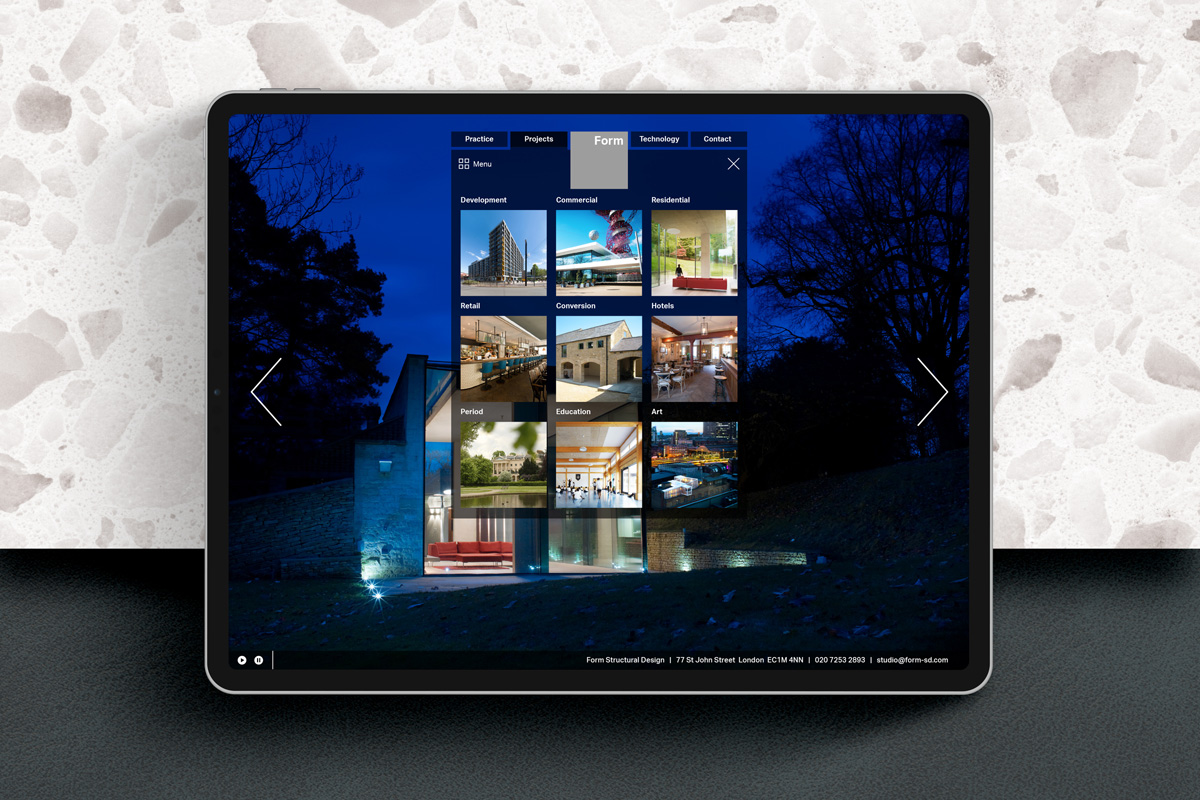
For travel and hospitality brands, the website is frequently the only interaction a prospective guest has before booking. ikon designs luxury websites built around the brand's actual positioning, not generic hospitality templates, so the first digital impression matches the promise of the physical experience.
.jpg)
ikon exists specifically for luxury brands that need this level of judgement rather than a large roster of services. For destination brands, hospitality groups, resorts, and travel brands, that means direct access to a Creative Director with more than two decades of experience building brand identity for some of the most recognised luxury names in the world, working on brand strategy, identity, creative direction, campaign creative, web design, and print, all held to the same standard applied to Cartier, Porsche, and Mandarin Oriental.
Destination brands rarely arrive asking for "brand strategy" by name. They arrive describing a specific gap between where the business actually sits and how it's showing up, and that gap is usually one of a few recurring shapes.
An established hotel group, resort, or travel brand that has been trading successfully for years reaches a point where the brand no longer matches the level it's actually operating at. The business has moved upmarket, added a new property, or attracted a more discerning guest, but the brand still reads the way it did a decade ago. The ask is rarely framed as a rebrand. It's framed as "we're not being taken seriously at the level we belong." This is one of the top reasons clients work with our luxury hotel branding agency.
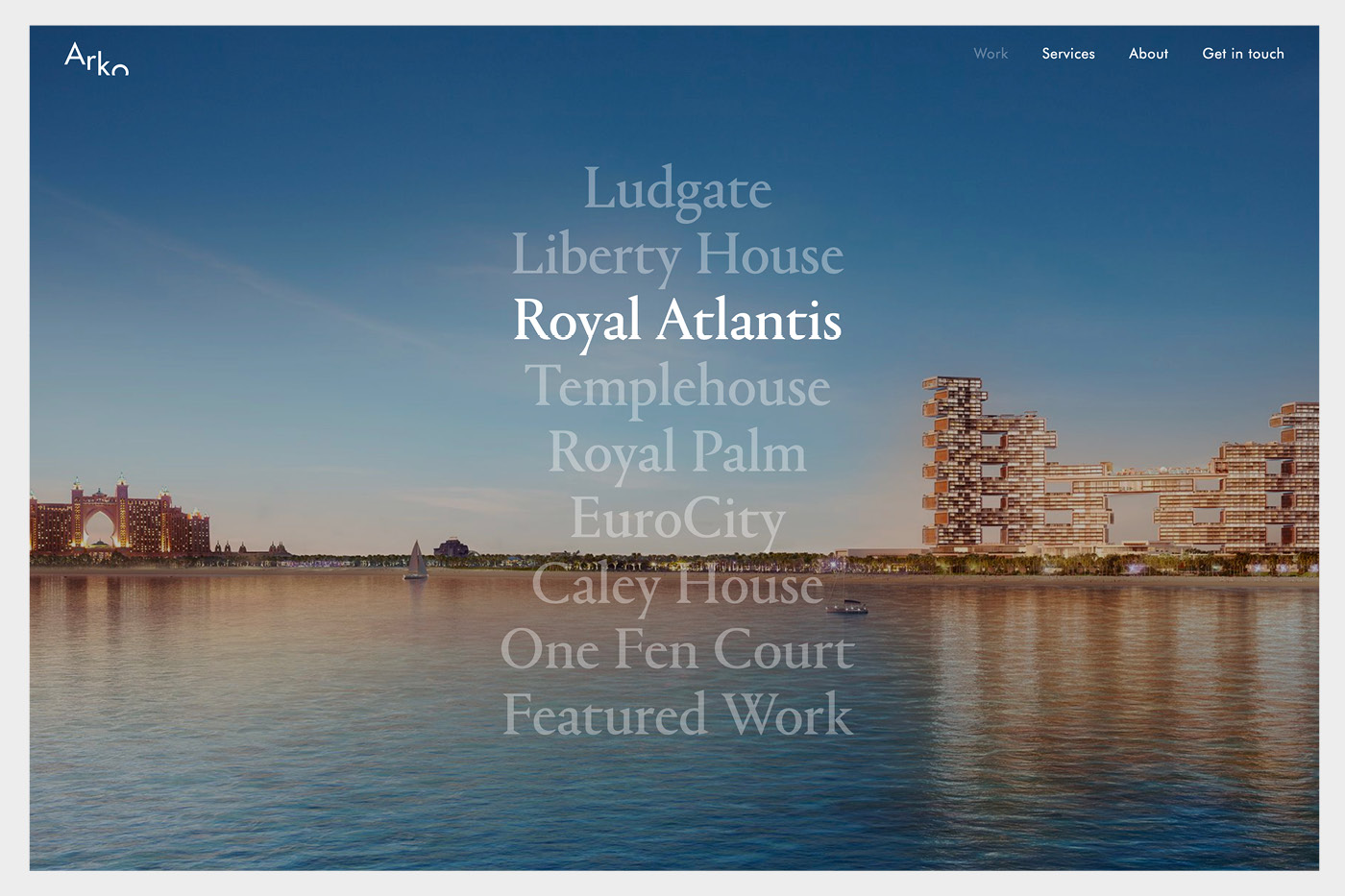
This is the pain most specific to destination brands. A hospitality group expanding from one region into another, a resort opening its first international property, or a travel brand trying to reach a new market of high-net-worth travelers all face the same credibility question: does this brand read as legitimate to someone who has never encountered it before, in a market with entirely different reference points for luxury. Getting this wrong in a new market is expensive, and much harder to undo than getting it wrong at home.
This is the pain most specific to destination brands. A hospitality group expanding from one region into another, a resort opening its first international property, or a travel brand trying to reach a new market of high-net-worth travelers all face the same credibility question: does this brand read as legitimate to someone who has never encountered it before, in a market with entirely different reference points for luxury. Getting this wrong in a new market is expensive, and much harder to undo than getting it wrong at home.
Destination brands that audit their own competitive set often reach an uncomfortable conclusion: the resorts, hotels, and travel brands around them are visually and verbally interchangeable. Different colour palette, same promise of "unforgettable" and "bespoke." What they need at that point isn't a new visual style, it's a real point of difference that can be defended, not just a different shade of the same idea.
Luxury hospitality brands still live and die on physical detail: the menu, the stationery, the printed collateral in a suite. ikon treats these as brand moments, not afterthoughts, because for a discerning guest, the smallest touchpoint can either reinforce exclusivity or undercut it.
What ikon does not do is act as a full-service marketing agency running paid campaigns, managing social channels, or handling day-to-day digital advertising. That is a deliberate choice. It keeps the agency focused on the brand strategy and creative work that actually shapes how a destination brand is perceived, and it means every project gets senior attention rather than being handed down a large account team.
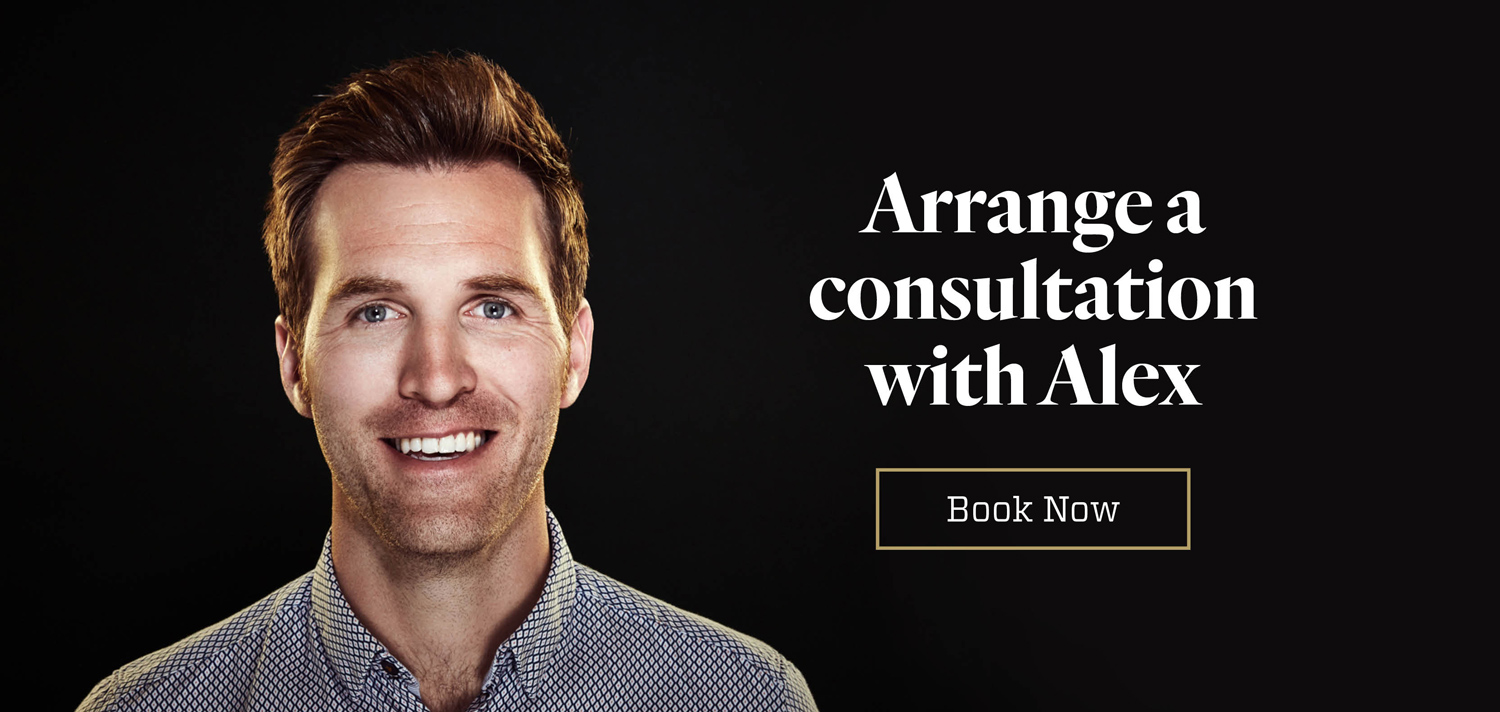
ikon is run by Creative Director Alex Colley, who has spent more than 21 years building brand identities for luxury clients across sectors, including hospitality, fashion, and fine jewellery. There is no large account management layer between the client and the person making the strategic and creative decisions. Alex works directly with clients, including flying to meet them wherever they are based, because destination brands in particular benefit from a strategist who understands the physical place, not just the brief on paper.
This founder-led model matters more for destination brands than most. A resort in the Gulf, a hospitality group expanding into new cities, or a boutique hotel repositioning for a new generation of travelers all need judgement, not a process. They need someone who has seen enough luxury brand strategy play out to know which ideas will hold their value and which will date within a season. That judgement does not scale across a large team. It comes from one person staying close to the work.
This is the reason we are a top luxury branding agency.
Most destination brands come to an agency already briefing the deliverable, a new website, a new logo, a rebrand of the guest app. It's an understandable instinct. The deliverable is the thing you can see, price, and put a deadline on. But for a destination brand, the deliverable is rarely the actual problem.
The real work happens earlier, in a decision most businesses can't make on their own: what level does this brand actually belong at, and what does belonging there look like across every touchpoint a guest will encounter. Skip that decision and go straight to execution, and the result is usually a beautifully designed answer to the wrong question, a striking website built on a positioning that was never quite right to begin with.
This is why ikon treats strategy as a distinct phase, not a preamble to design. Before any creative work begins, the brief itself gets tested: is this destination brand actually differentiated, does the positioning hold up in every market it needs to travel to, and does the story being told match the experience the brand is actually delivering. Only once that's settled does the design file open.
It's a slower first step than most destination brands expect, and it's also the reason the creative work that follows tends to hold its value for years rather than needing to be redone at the next rebrand cycle. Most agencies bill for the output. ikon is retained for the judgement underneath it, the decision that everything else, the identity, the campaign, the website, is ultimately downstream of.
Mandarin Oriental approached ikon to design the menu for their new rooftop bar in Mayfair, a project that needed to go from concept to completion while aligning seamlessly with the Asian-influenced design of the adjoining ABar lounge, and holding its own for an exclusive, discerning clientele.
ikon designed a premium menu cover with a subtle mottled finish, drawing directly from the sky and clouds that shaped the bar's interior design. Practical screw fixings were built into the design so the menu could be updated easily without ever compromising the aesthetic. Internally, the paper selection was chosen to create a pared-back luxury feel, so the cocktails, wines, spirits, and food took centre stage rather than competing with the design around them.
The result is a small object that does the job of a much larger brand campaign: it extends Mandarin Oriental's positioning into a physical, tactile guest touchpoint, reinforcing exclusivity the moment a guest sits down. For a luxury hospitality brand, this is the level of detail that destination branding actually requires, brand thinking applied to the smallest moments, not just the biggest ones. Read more here.
1.jpg)
Alex Colley and ikon have built brand identities for organisations including Cartier, Porsche, Mandarin Oriental, Westfield, and Formula 1, across sectors from luxury hospitality to motorsport to fine jewellery. This is not incidental experience. Brands operating in aviation, hospitality, and international travel choose ikon specifically because the agency has already proven it can hold a luxury brand's positioning steady across very different markets and audiences.
That range was tested at scale with the Queen's Coronation Festival, held in the gardens of Buckingham Palace, working alongside Media 10 to manage brand consistency across every touchpoint before and during the event. The festival drew more than 60,000 visitors over three days, with the evening gala broadcast to 3.5 million viewers on the BBC, and brought together Royal Warrant Holders including Bentley, Burberry, and Jaguar. Very few agencies are trusted to hold brand consistency at that scale, in a setting where any inconsistency would have been immediately visible to a global audience.
Porsche needed to increase attendance for their exclusive Supercup VIP driving day featuring Patrick Dempsey and Sebastian Loeb, while addressing previous year's issues with poor RSVP tracking and response rates.
We designed a streamlined newsletter for their digital marketing reflecting the car vinyl graphics featured on the racing vehicles, combined with an integrated online RSVP system that made responding effortless for high-net-worth guests.
The sophisticated design and smart tracking system dramatically increased email open rates and response efficiency, eliminating the time-consuming chase process that plagued previous events. The result was an attractive, streamlined newsletter that matched Porsche's brand excellence—delivering great click-through rates for an automotive icon while proving that luxury brands require both visual sophistication and functional excellence to drive measurable engagement.
Most hospitality brands default to the same handful of words: unforgettable, bespoke, world-class. These words are not brand positioning, they are the absence of it.
Effective luxury brand positioning for a destination brand has to name a specific point of difference and hold it with discipline, because luxury brands live or die on the mystique they protect. A destination brand that says everything ends up saying nothing, and travelers with genuine choice can tell the difference instantly.
Destination branding is not a single asset. It is the discipline of shaping how a place, or a brand tied to a place, is perceived before a guest ever arrives. For luxury hospitality brands, resorts, and travel brands, that perception is the product. A guest chooses a hotel in Mayfair or a resort in the Maldives largely on the strength of the story the brand tells before check-in.
Luxury destination branding agencies exist because this story cannot be improvised. It has to be built on brand strategy that defines what makes the destination different, and then carried, consistently, through brand identity, tone of voice, and every physical and digital touchpoint a guest encounters. Done well, it creates the kind of brand equity that lets a hospitality brand charge for exclusivity rather than compete on price.
There's a newer pressure on destination brands too. Increasingly, travelers are asking AI search tools to recommend a hotel, a resort, or a travel brand for a specific trip, not just searching a list of links. AI search rewards brands with a clear, well-documented point of view, backed by real proof points, over brands that simply rank on volume of content.
A destination brand with a vague identity and generic copy is far less likely to be the one an AI search engine actually recommends by name. This is a strong argument for treating brand strategy as seriously as any other investment in the business, not because it is inexpensive, but because it is the thing that gets a brand chosen.
• Relevant experience with travel and hospitality brands. An agency that has never worked with a hotel, resort, or destination brand will spend the first project learning the category at the client's expense.
• Evidence of disciplined brand positioning, not just visual polish. Ask to see how an agency has helped a brand say no to the wrong ideas, not just how it designs logos.
• Senior involvement on every project. For a destination brand, the strategic thinking behind the identity matters as much as the execution, and that thinking should come from someone senior, not be delegated down.
• A track record with brands operating internationally. Destination brands rarely serve a single market, so an agency's experience carrying a brand consistently across geographies is a genuine differentiator.
• Comfort with both digital and physical brand touchpoints. Web design and print still both matter for hospitality and travel brands, and an agency should be equally considered across both.
A destination brand is judged before a single guest walks through the door. The website they browse at midnight, the menu they're handed at the bar, the tone of the confirmation email, all of it is doing the work of persuasion long before a room key changes hands. There is no version of this where the brand can afford to be an afterthought to the physical experience. It has to carry the same standard, in every market the brand operates in, without a senior person checking it at every stage, the standard slips.
That's the gap ikon exists to close. Not by adding another vendor to a long list of specialists, but by putting one experienced Creative Director directly on the strategic and creative decisions that shape how a destination brand is perceived, from the first market entry to the smallest piece of print on a table.
If that first impression, and every one after it, needs the kind of senior judgement that built brand identities for Cartier, Porsche, and Mandarin Oriental, ikon is ready to talk about the brief.